When first reading Frankenstein, and learning the subtitle, The Modern Prometheus, I argued with my teacher regarding the comparison. True, my obtuse understanding of the Romantics’ views regarding Prometheus, and other tragic characters like Milton’s Satan, lead me into my position, but even comprehending the duality of fire as it relates to the pursuit of knowledge, that were science to have a deity it would be a contest between Prometheus and Satan, my heart still balks at the allusion. My contention then, as it is now, is that I find Prometheus noble, and his willing submission to Jupiter’s wrath at the cost of doing what he knew right is by no means justification for Frankenstein’s ill meddling and the woe reaped thereupon.
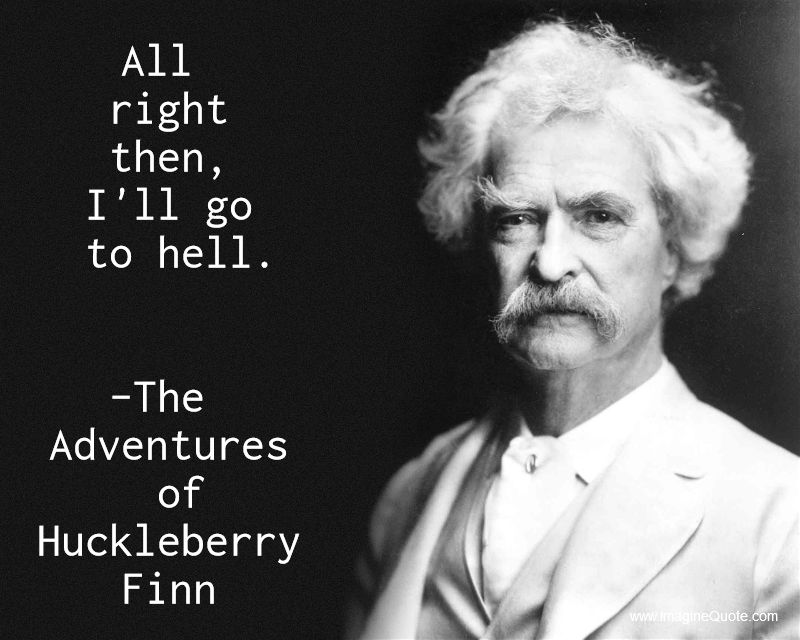
“All right then, I’ll go to Hell.”
Those words mean different things in the two contexts we’re considering. Prometheus, a name meaning foresight, foresees the cost of his actions, and yet even then, knowing himself damned, he chooses to save humanity. Frankenstein never seems to consider the result, the price, of his creation, and far from possessing redeeming motives, he seems an entirely selfish character throughout his life. This is why Frankenstein is not an image of Prometheus, it is the comparison of a child to a man, of one wandering into traffic unaware, and one racing in front of a semi-truck in order to push another to safety.

