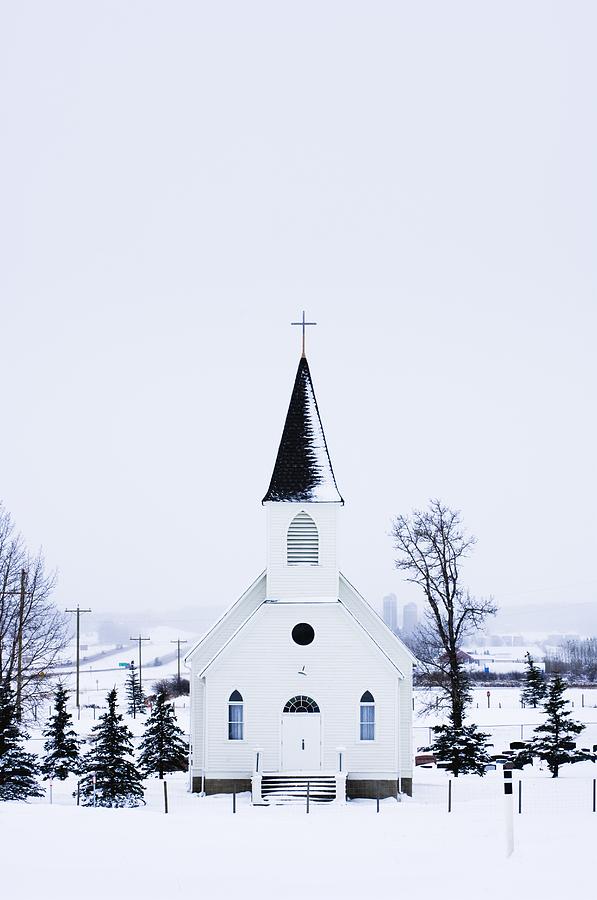
We filed through the snow, the winter air making each of us our own steam engine, our breaths rising in little, fading clouds over our heads. A train with only engines; well, there was one passenger car, and only one passenger. There was one long and silent box following the horses, and we all being led by that hearse, pulled along by invisible bounds, couplings of love and loss which brought us all together to the cemetery.
At the gate, the black carriage was opened, and the pallbearers took the coffin upon their shoulders. The ground was too cold and frozen for the gravediggers, the frost too thick, the earth too hard. We took the dead man to the vault in slow and solemn procession.
Our silence seemed too much at times. No one wanted to break the spell, but some outburst of tears or sobs would not have been unwelcome, I thought. Yet every eye was dry that January morning. I too felt an uncommon bolstering from such surroundings, be it mere imitation of the crowd or some strange connection with the season’s grim nature, I did not find in myself any ready weeping. No, all of us were dry—not dry, a storm of ice had come upon the land. Winter had frozen the lake, and we too, all our wells were covered in ice. Affectation might have broken that cruel enchantment, but time also…
In spring, in showers and rising mists, the earth would open up to receive our friend, and then, when the rains came—our tears will come when winter ends.
 Tale Told