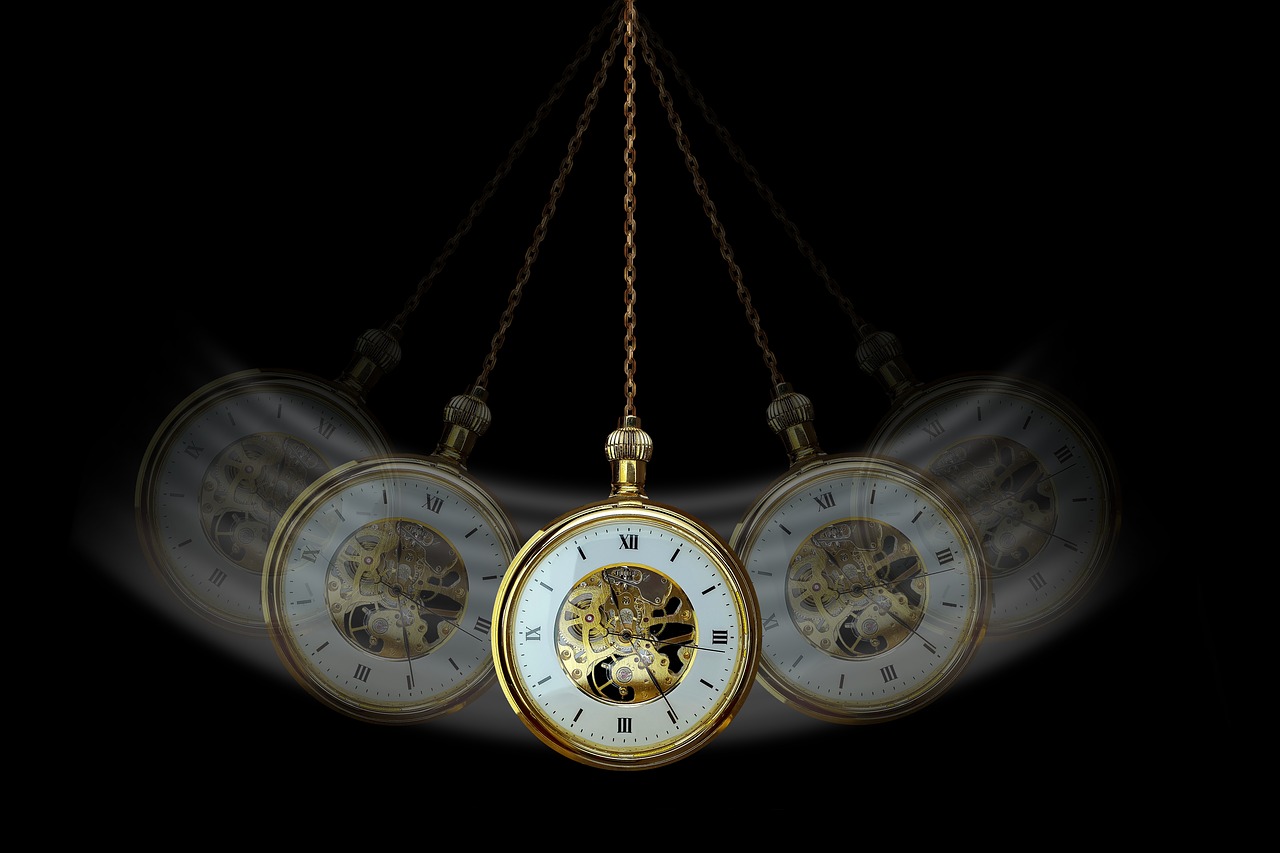
I’ve been sick over the weekend, am still sick today, and, if I don’t turn around, will likely be sick tomorrow; however, I managed to finish a short story for a competition despite feeling like crap. It has garnered a good reception from the few friends and family I’ve bullied into reading it, so I’m hoping the judges will also find it moving. The story itself was, in some sense, a meditation on death, and it interested me that, at the same time I started writing it, I also started reading a science fiction novel about living forever, Methuselah’s Children.
Of course, the memento mori will always have a home on this blog; indeed, my continual need to write is in part driven by the knowledge of the ineffable and passing nature of life. Unlike the protagonist of my own story, I’ve not been given a year to live, nor, like Heinlein’s secret society, have I been promised centuries. All things considered, I have no real reason to expect anything but the proverbial three-score and ten, a sentence, however, just as terminal as the rest.
I dally, in my imagination, at times, wondering how I would act if I were as Heinlein’s Lazarus Long. I wonder what sort of man I would become if I had all the time in the world to pursue everything I wanted. It is a fun bit of daydreaming, but one wonders. There’s something off about the conclusion to Heinlein’s novel. The people have extended their lives, sure, but they do not love truth or justice; the plot is precipitated because man is willing to throw away his laws and principles in the face of death, and the eponymous children are then cast out of one hellish version of Eden to the next. Heinlein never mentions sin, as far as I can recall, and I doubt his philosophy allowed it. As such, he never understands death or life, and he is stuck in the beautiful throes of Ecclesiastes, tossing from planet to planet, unable to condemn anything or comprehend the meaning of his own odyssey.
 Tale Told