God is Unique . . .
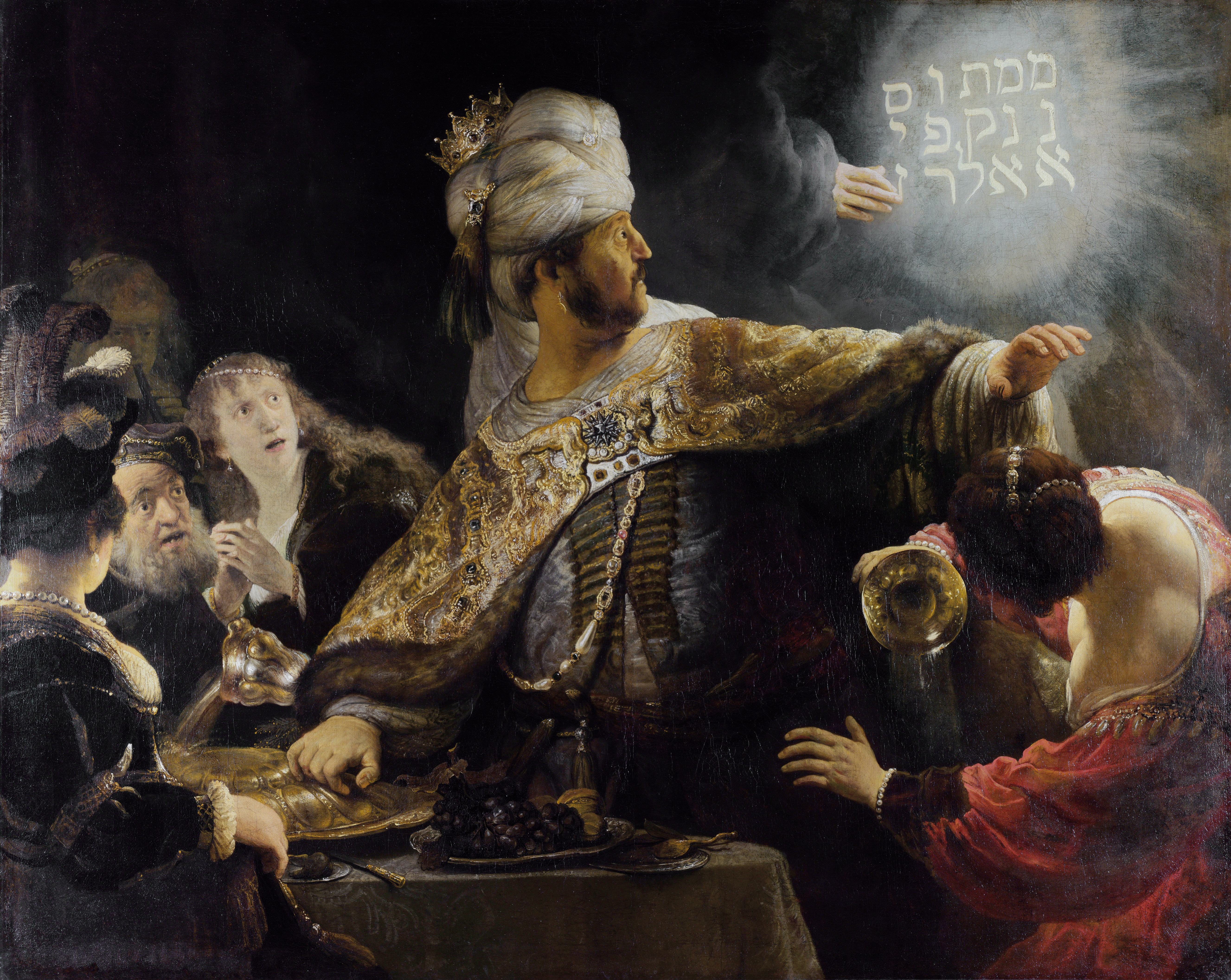
It may go without saying, but God is revealing himself in his word. Furthermore, there is a sense that God is revealing himself, not just to us readers, but to the players as well. Daniel’s three friends lack no faith (3:16-18), but they get the chance to actually experience God in their punishment. Nebuchadnezzar and the kings after him learn about God: He is the God of gods (2:47), the God who saves (3:29), the God who humbles and is just (4:37). We see God’s invisible hand throughout the book of Daniel, and it is this quality of God which is most stressed, his sovereignty.
. . . Because God is Sovereign
Over Kings and Kingdom
Nebuchadnezzar gets this lesson multiple times, and his predecessors, his son and Darius, too find that this humiliated people do not serve a likewise humiliated God. Furthermore, like in the dream of the statue with the head of gold, or in the apocalyptic visions of the second half of the book, the series of powerful nations, always diminishing in glory but always increasing in antagonism to God and his people, are undone by an unseen force. God has measured, allowed the nations to build their biggest and best, and it is wanting.
Over False Gods
Daniel’s three friends refuse to worship a false god, Daniel prays to God when it is forbidden him, and together, at the opening of the book, they ask their overseer to refrain from the defiled food. Always, God uses their faithfulness to him to show his power.
And Over History
At the beginning of the book of Daniel, we get a little hint of this with the king’s dream, but there’s a deeper dive into the theme in the last half of the book. God knows what’s going to happen, and God is going to destroy the works of man for his eternal kingdom.
 Tale Told