It’s a somber day for America, a black anniversary. This year it snuck up on me, and somehow, waking up this morning, it just became another part of my day. Years come and go so quickly, and every September comes a little sooner than the last.
I found myself thinking of a song, one that seemed in poor tastes given the date—When You’re Evil, by Voltaire. It’s wonderfully comic, sung through the perspective of an individual who loves evil for evil’s sake, or perhaps sung by the personification of evil.
On the immediate level, it is funny because it is “opposite humor,” a character proud of their wickedness. For me, however, part of the humor is that there is no individual like that. No real character’s motive ever boils down to the statement, “I did evil because it was evil.”
I think C. S. Lewis put it best when dissecting dualism:
“You can be good for the mere sake of goodness; you cannot be bad for the mere sake of badness. You can do a kind action when you are not feeling kind and when it gives you no pleasure, simply because kindness is right; but no one ever did a cruel action simply because cruelty is wrong – only because cruelty is pleasant or useful to him. In other words, badness cannot succeed even in being bad in the same way in which goodness is good. Goodness is, so to speak, itself: badness is only spoiled goodness. And there must be something good first before it can be spoiled.”
Another Blogger put up more of this passage here.
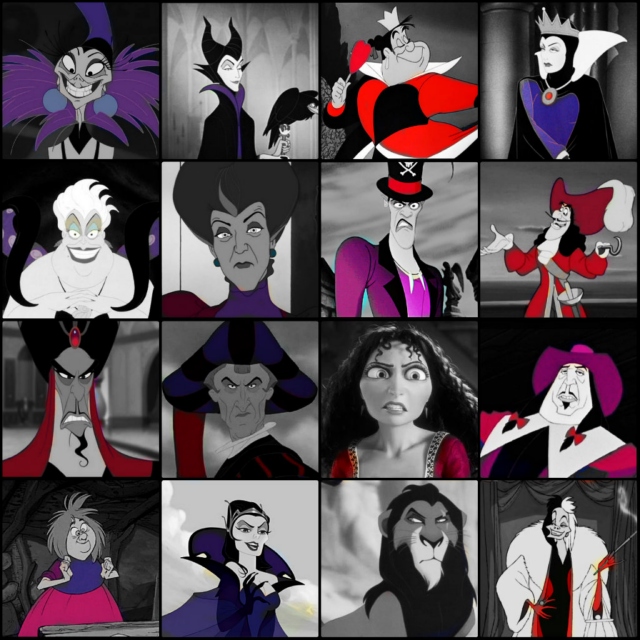
But, we can go a step deeper. I think this song is funny because evil is inherently comic. There is something ridiculous about evil. The image of the petty man is a small sniveling creature, and, though we all know him to be disastrous to us personally, put him in a sit-com and everybody loves to hate him. The man in the black cape twirling his mustache has become something of a clown, not just because he is thwarted—indeed, sometimes he wins—but as portrayed in 2007’s Meet the Robinsons, he brings more harm on himself than anyone else.
Why is evil funny? because it is a parasite. Even when it wins the day, it only undermines itself. I won’t make any pretenses that I’ve ever read the Divine Comedy, but part of why that phrase resonates so strongly is that, from the eternal perspective, evil has no power.
So, even in the face of suffering, when evil does win the day, when the towers fall, let not your hearts be troubled.
 Tale Told
3 Comments